How to Read a Remodeling Proposal Before You Sign It
A proposal is not paperwork before the real work starts. A good one already tells you how the project is going to go.
September 10, 2026 · 2 min read
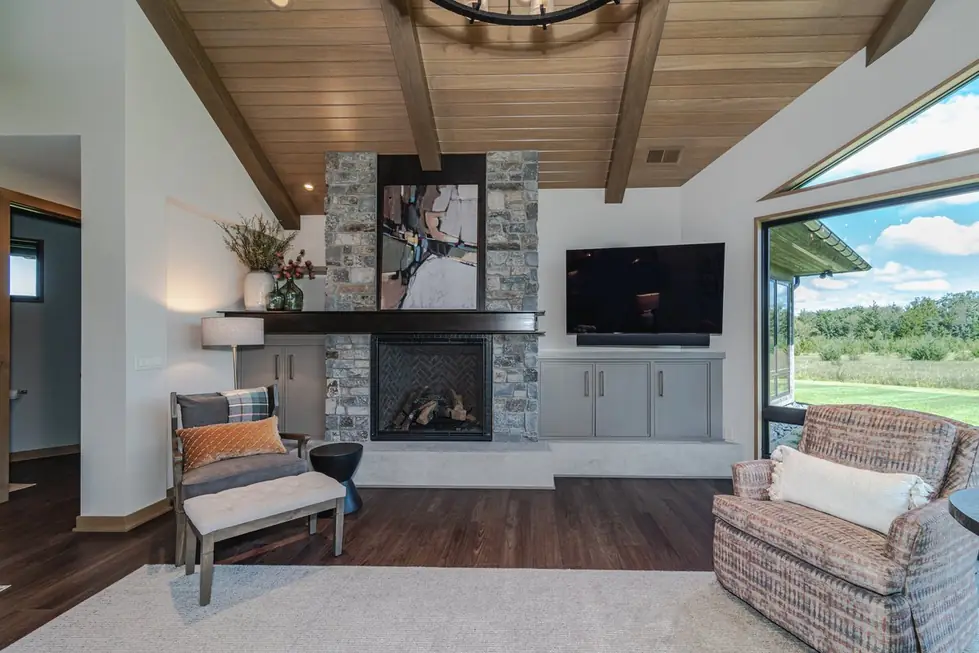
A proposal should be a plan, not a placeholder
Homeowners often treat a remodeling proposal as the formality between picking a contractor and construction starting. It should be more than that. A detailed proposal is the outcome of a real design stage, and it should already outline the scope of the work, the materials involved, and the next steps clearly enough that reading it feels like reading a description of exactly what is going to happen in your house, not a rough estimate with a lot of room to move.
Why the estimate should already reflect the design work
By the time a proposal reaches you, the layout, the materials, and the challenges specific to your home should already have been worked through in the design stage, with your priorities and budget discussed from the very first phone consultation. That is what makes it possible to write a detailed estimate that holds up rather than a rough number that grows once construction starts. One of our customers, Erin Vining, described her estimate as coming in almost spot on against the final project cost, which is an unusual thing to say about a remodel, and it is exactly what a proposal built on real design work should deliver.
What to look for in the scope section
- Does it name the specific rooms and the specific work in each one, rather than a general description like "kitchen update"?
- Are materials called out by type, not left as "to be selected", for anything that affects cost?
- Does it mention any structural or mechanical work discovered during design, such as moving plumbing or electrical, rather than leaving it as a surprise for later?
- Is there a clear description of what happens at each stage, from contract signing through scheduling and materials ordering to construction itself?
Final decisions stay with you, and the proposal should reflect that
During the design stage, you get to see and react to the space before it is built, and the final decisions on layout and materials remain yours. A proposal that comes out of that process should read like a document that already knows what you decided, not one asking you to decide it all again after signing.
What happens once you sign
Once a contract is signed, the project gets scheduled and materials get ordered, and construction turns the plan into the real thing, managed with the kind of clear communication our customers mention again and again in their reviews. Katie Larsen specifically noted being kept informed throughout her project, and that kind of communication is only possible when the proposal itself was clear enough to build from in the first place.
If a proposal you are looking at feels vague about scope or materials, that is worth asking about directly before you sign anything. A good contractor should be able to walk you through every line and explain exactly why it is there.
Avid Builders, (952) 513-7375
Call (952) 513-7375More articles
What Actually Decides a Kitchen Remodel Budget
Most people budget a kitchen from the pictures they like. The number is really decided by what is behind the wall.
The Bathroom Work You Will Never See, and Why It Decides the Room
The tile gets the attention. The membrane underneath it decides whether the room is still sound in fifteen years.