What Actually Decides a Kitchen Remodel Budget
Most people budget a kitchen from the pictures they like. The number is really decided by what is behind the wall.
September 9, 2026 · 3 min read
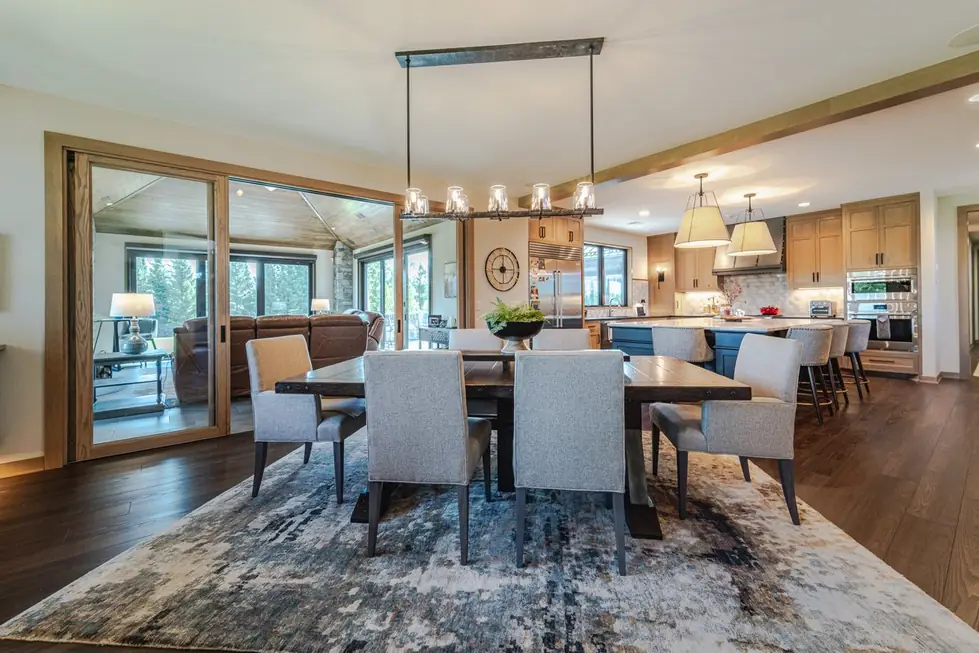
The layout comes before the door fronts
Almost every kitchen conversation we have starts with a photo. A homeowner has seen a cabinet color or a hood surround they like and wants to know what it costs. That is a fair question, but it is the wrong first question. A kitchen chosen from finishes first tends to photograph well and cook badly, because nobody worked out the layout that actually has to hold up under daily use.
By layout we mean the working triangle between the sink, the range, and the refrigerator, the landing space on either side of the range for a hot pan to sit down, and where the trash pull-out and the dishwasher door actually swing when they are open. None of that shows up in a photo of a finished kitchen. It only shows up when you stand in the space and walk through cooking a real meal in it.
Storage decides the budget almost as much as layout
Once the layout is set, the next real decision is storage, and it is a bigger driver of price than most people expect. A pantry versus a run of tall cabinetry, drawer banks instead of doors on the base units, whether an appliance garage earns its keep, and how much an island can hold before it stops being a place to actually sit and becomes a catch-all. Each of those choices changes the cabinet box count, and cabinet boxes are one of the largest line items in any kitchen.
The part behind the wall is what moves the number
If a project moves a sink or a range even a few feet, that is the single decision most likely to change the budget, because it touches drainage fall, venting, and circuits that were never meant to move. Drain lines need a consistent slope to work at all. A range hood needs to vent somewhere real, not just into an attic space. New locations need their own circuits sized for what is going in them. None of that is visible in a rendering, and none of it is optional once you decide to relocate a fixture.
This is exactly why we work through it in the design stage, before a proposal ever gets written. If moving the sink is going to add real cost, we would rather tell you that while it is still a decision on paper than after a contract is signed. A proposal that names this kind of work up front is one you can actually trust to hold once construction starts.
Living in the house while the kitchen is out of service
The other cost that is easy to underestimate is not a dollar cost at all, it is the disruption of not having a kitchen. Dust control, a temporary setup for basic cooking, and the sequence of work that gets running water back to the house sooner rather than later all matter more than people expect until they are three weeks into a remodel with no sink. We plan the sequence with that in mind, not just the finish schedule.
What happens after the last cabinet goes in
One thing worth knowing before you start: cabinet doors and drawers settle over the first heating season in a Minnesota house, as the wood and the house itself adjust to the dry winter air. A door that closes a little differently in January than it did in September is normal, not a defect, and it is a quick adjustment, not something to worry about. We would rather tell you that now than have it surprise you later.
If you are early in thinking about a kitchen, the most useful thing you can do is walk your current one and notice where you actually get stuck, not what you wish looked different. That is the conversation we want to start with, in a phone consultation, before anything gets drawn.
Avid Builders, (952) 513-7375
Call (952) 513-7375More articles
The Bathroom Work You Will Never See, and Why It Decides the Room
The tile gets the attention. The membrane underneath it decides whether the room is still sound in fifteen years.
Finishing a Minnesota Lower Level Without Trapping Moisture in It
A finished lower level is only as good as the wall behind the drywall, and that wall has to prove it is dry first.